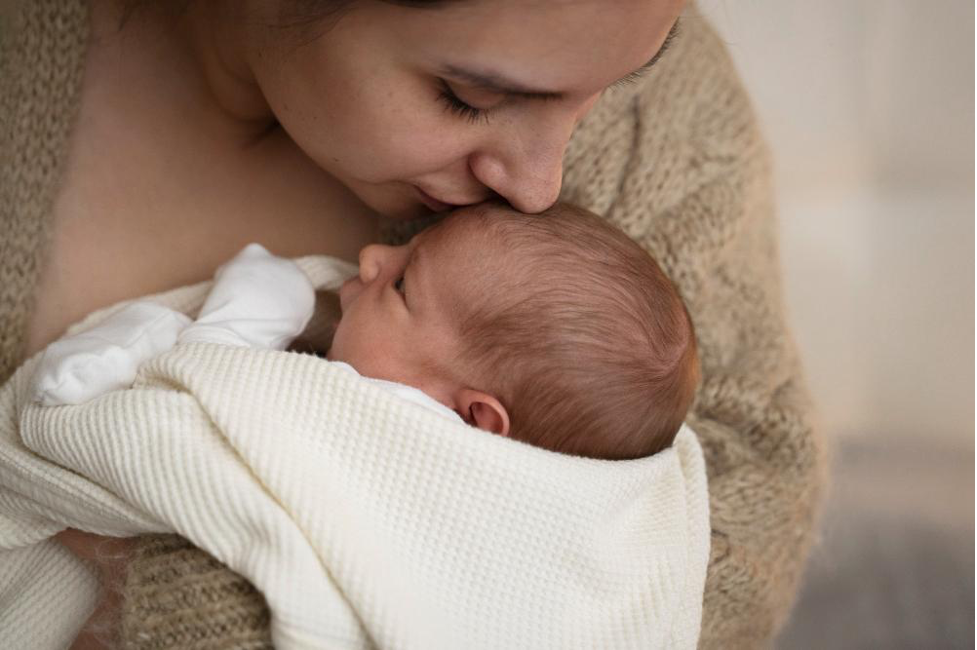
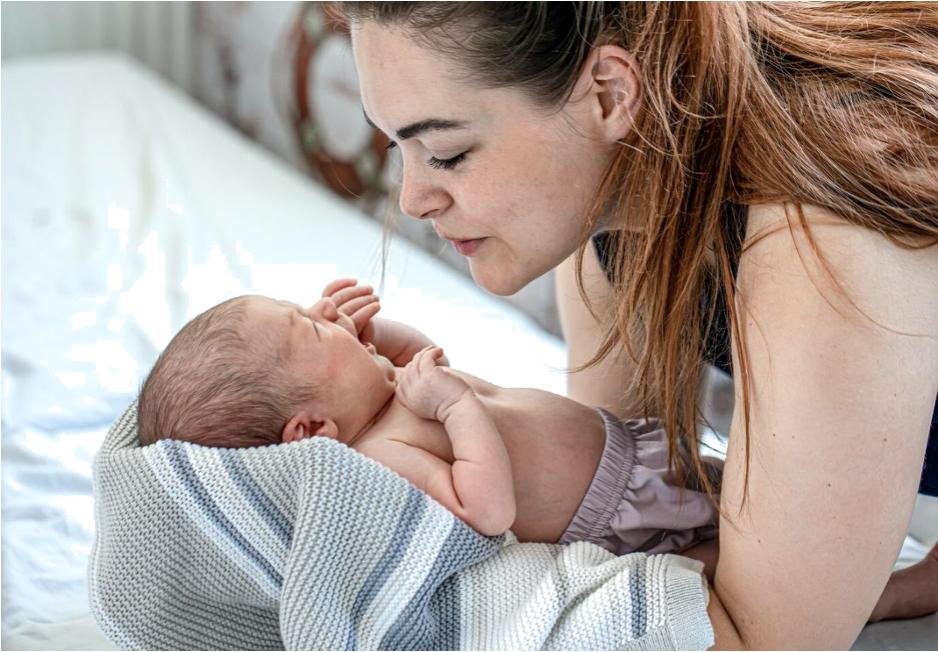
Motherhood is a whirlwind—beautiful, overwhelming, and sometimes deeply challenging. After giving birth, I expected a mix of joy and exhaustion, but what I didn’t anticipate was the heavy weight of emotions that came with it. Looking back, I realize I was experiencing postpartum depression (PPD), and I want to share my story for anyone who might be going through the same thing.
Recognizing That Something Was Wrong
In the weeks after my baby was born, I felt off. Of course, sleepless nights and endless diaper changes are part of the deal, but this was different. I was sad when I should’ve felt happy. I was irritable, anxious, and overwhelmed, often breaking into tears without understanding why. Bonding with my baby felt harder than I thought it would be, and guilt weighed on me heavily.
I learned later that PPD affects nearly 1 in 7 mothers. At first, I thought I was just tired or adjusting, but it was more than that. PPD isn’t about failing as a mom—it’s a medical condition that happens to so many of us and PharmD programs online can help new mothers get professional info. Realizing this helped me begin to forgive myself and seek the help I needed.
Understanding the “Why” Behind PPD
One thing I’ve discovered is how much your body and mind go through during and after pregnancy. Hormonal changes play a huge role. After birth, the dramatic drop in estrogen and progesterone levels can affect your mood in ways you don’t expect. For me, this sudden shift felt like my emotions were in free fall.
Another factor I didn’t know about was how my thyroid could be involved. Postpartum thyroid changes can cause fatigue, mood swings, and irritability—many of the things I was feeling. Learning about these hormonal and physical changes helped me understand that PPD wasn’t my fault; it was my body’s natural response to a massive life shift.
Reaching Out for Support
If there’s one thing I’d emphasize, it’s this: don’t do it alone. In the early days, I kept a lot of my feelings to myself, afraid of being judged or misunderstood. But once I opened up—to my partner, my mom, and even my doctor—I realized how many people were ready to support me.
Talking to a therapist was a turning point for me. They helped me understand my feelings and gave me tools to cope with the emotional rollercoaster. Therapy reminded me that I didn’t have to be a “perfect” mom; I just needed to take care of myself so I could take care of my baby.
Giving Myself Permission to Let Go of Perfection
One of the hardest things about becoming a mom was the pressure I put on myself. I felt like I had to have it all together: a spotless house, a perfectly happy baby, and endless patience. When I couldn’t meet those impossible standards, I felt like a failure.
It took time, but I started learning how to be kinder to myself. I started repeating little mantras like, “I’m doing my best,” or “It’s okay to ask for help.” Over time, those words started to stick. Letting go of the idea of perfection wasn’t easy, but it was one of the most liberating things I’ve ever done.
Taking Care of My Body, One Step at a Time
While I was trying to figure out my emotions, I realized how much my physical health was tied to my mental health. Sleep, for instance, felt impossible with a newborn, but even short naps here and there made a difference. Asking my partner to take over for an hour or two so I could rest was a lifesaver.
I also started taking short walks. At first, it was just around the block, but those few minutes outside gave me a sense of normalcy and a little boost of energy. Eating better helped, too—nothing fancy, just simple meals with things like salmon and nuts, which I read are great for mood and brain health.
Finding Calm in the Chaos
In the midst of all the noise—crying, visitors, and my own swirling thoughts—I discovered mindfulness. It wasn’t about meditating for hours; it was about tiny moments of calm. Sometimes, I’d sit with my baby asleep on my chest and focus on my breathing: in for four counts, hold for four, out for four.
Those moments didn’t solve everything, but they gave me the space to reset. Mindfulness, for me, was a reminder that even in the chaos, I could find a sliver of peace.
What I’ve Learned About PPD
Postpartum depression didn’t define me, but it did teach me a lot. It taught me the importance of asking for help, being kind to myself, and trusting that things would get better. It’s not an easy journey, but with the right support and self-care, I found my way back to myself.
If you’re reading this and struggling with postpartum depression, please know you’re not alone. It’s okay to feel what you’re feeling, and it’s okay to ask for help. You’re doing better than you think, and you don’t have to go through this alone.
About the author:
Sadie Smith Sadie Smith is an experienced woman who came into the digital marketing world from newspapers. She mostly specialized in local issues and this gives a unique perspective when it comes to dealing with stories that need thorough research and personal touch. She wears her heart on her sleeve and that makes her an excellent marketing expert.