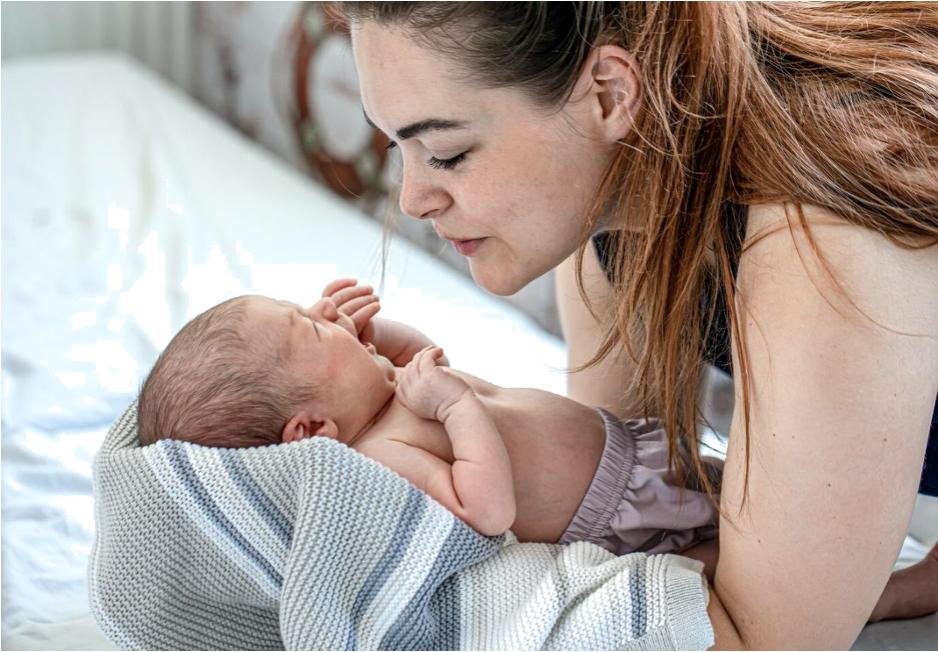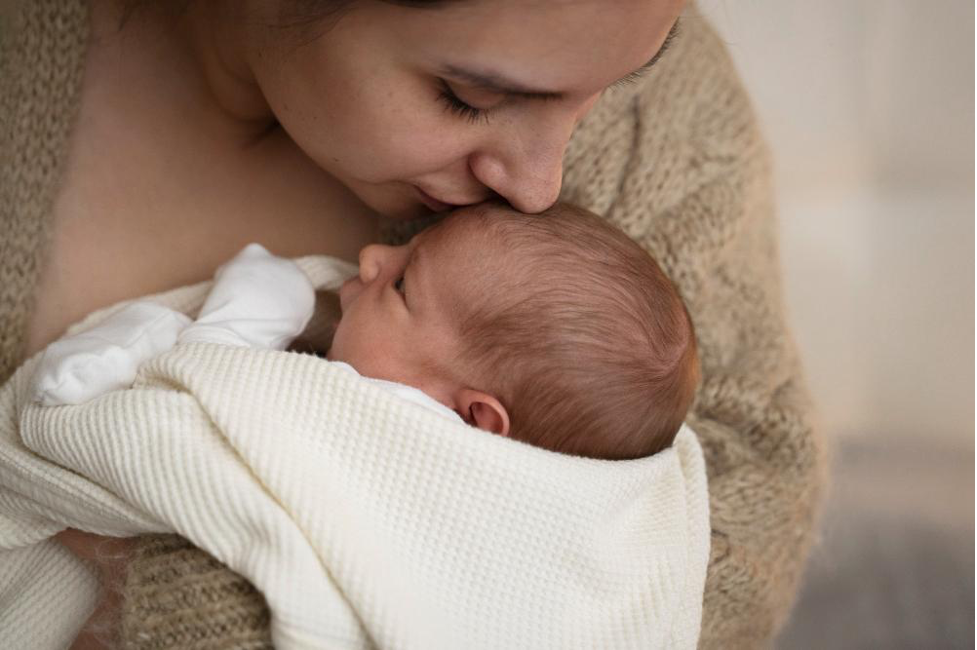
There’s this myth that once the baby arrives, your body stops struggling and your spirit just clicks into place. But if you’ve spent months tethered to nausea, dizziness, and the relentless loop of hyperemesis gravidarum, the postpartum period can feel less like a finish line and more like another marathon you didn’t sign up for. The truth is, caring for a newborn after surviving extreme vomiting in pregnancy comes with its own bruised rhythm—one that demands more grace, more softness, and a different kind of self-care. You may be past the worst of it, but your body still remembers—and it deserves more than survival now.
Sleep Is Not a Luxury, It’s a Prescription
You’ve heard it before: Sleep when the baby sleeps. But when your body has been on fire for months, rest is not a luxury—it’s medicine. The exhaustion from hyperemesis isn’t cured by birth; it lingers in your muscles, in your joints, in the way your eyes blink slower than they used to. This isn’t the kind of tired that a latte can fix, so sleep needs to be something you guard fiercely, even if it means asking your partner or friend to take the baby for two hours while you nap in silence. You’re not selfish for needing rest—you’re healing.
Rebuild Your Relationship With Food Slowly and Kindly
Food was the enemy for so long. It betrayed you, taunted you, and left you dehydrated and broken in ERs and IV chairs. But now that your baby is here, the process of learning to eat again without fear deserves tenderness. Start with foods that feel safe—whatever that means for you—and don’t pressure yourself into eating kale if toast with peanut butter is all you can manage. Nourishment isn’t just about nutrients right now; it’s about reestablishing trust between you and your body.
Let the Laundry Pile Up
Hyper-productivity is not proof of recovery. You’ll be tempted to prove to yourself or others that you’re “back,” that you can handle it all, but here’s the thing: You’re not required to bounce back. You’re allowed to let the dishes wait, to wear the same pajamas for three days, to ignore the vacuum in the corner. The house doesn’t need to sparkle to mean you’re doing a good job. In fact, choosing to rest instead of scrubbing bottles at 11 p.m. is one of the strongest things you can do.
Your Hormones Are Loud
If it feels like your emotions are riding shotgun on a rollercoaster you didn’t buy a ticket for, you’re not alone. Postpartum hormones are intense for anyone—but after months of physical trauma and isolation during pregnancy, they can feel even more volatile. Tears may come out of nowhere, or you might feel a numbness that worries you. Let those feelings breathe. Talk to someone. Write them down. Don’t swallow them out of guilt or shame—they’re messengers, not enemies.
Accept Help Like You Would Offer It
You’ve probably gotten good at saying “I’m fine.” Pregnancy taught you how to grit your teeth and power through, especially when people didn’t understand what you were going through. But now is not the time to tough it out alone. If someone offers to bring you dinner or fold a load of laundry, say yes. If you need a shower or someone to hold the baby so you can cry into your pillow for ten minutes, speak up. Think of accepting help as a form of teaching your child what community looks like.
Grieve What You Lost—It Matters
Maybe you had dreams of a glowing pregnancy, but instead, you were bedridden and unable to function. Maybe you missed out on baby showers, gentle ultrasounds, or moments that looked so different in your head. That grief doesn’t disappear just because the baby’s here—it may even get louder. It’s okay to hold joy and sadness in the same breath. You’re not ungrateful; you’re honoring a version of life you didn’t get to have.
Use Tech to Lighten the Load
When every ounce of energy is spoken for, even small tasks like managing paperwork can feel insurmountable. A simple scanner app, in case you need it, can make organizing medical records, follow-up instructions, and baby-related documents a whole lot easier. With just your phone, you can scan and store everything in one place, cutting down on the mental clutter that sneaks in during recovery. It’s a quiet kind of relief—one that gives your brain a little more room to rest.
Create One Ritual That’s Just for You
This doesn’t have to be big. It could be five minutes with your favorite playlist in the shower or drinking tea on the porch while the baby naps. But carving out a small, consistent ritual that has nothing to do with feeding or pumping or burping can serve as an anchor in the chaos. Your days are so tethered to someone else’s needs right now, but having one tiny thing that’s yours reminds you that you’re still in there—not just a mom, but a whole person who still matters.
You survived something most people don’t understand, and now you’re navigating one of the most demanding seasons of life. That’s not nothing. Your body may have stopped vomiting, but that doesn’t mean it’s done recovering. Every quiet act of care you give yourself is not indulgent—it’s a reclamation. You earned the right to move gently through this new chapter. Don’t rush it.
Discover personalized medication solutions and expert support for your pregnancy journey at HG Pharmacist, where precision medicine meets maternity care.